Many people considering chiropractic care ask the same question: does chiropractic help? Whether you’re dealing with back pain, neck stiffness, headaches, or sciatica, it’s natural to wonder if chiropractic treatment is the right choice.
Research suggests that chiropractic care can be an effective, non-invasive option for managing certain musculoskeletal conditions, particularly low back pain and neck pain. It focuses on improving spinal function, restoring joint mobility, and supporting the body’s natural ability to move and heal. While chiropractic care isn’t a cure for every condition, many patients experience reduced pain, improved mobility, and a better quality of life when treatment is part of a personalized care plan.
At Orenda Chiropractic in Reno, NV, Dr. Travis Rodman provides evidence-informed chiropractic care tailored to each patient’s unique needs. In this guide, you’ll learn how chiropractic works, the conditions it may help manage, what to expect during treatment, and whether chiropractic care is right for you.
What Does a Chiropractor Do?
One of the most common questions patients ask is what does a chiropractor do?
A chiropractor is a licensed healthcare professional who diagnoses and treats conditions affecting the musculoskeletal and nervous systems. Their primary focus is restoring proper joint movement, improving spinal function, reducing pain, and helping patients move more comfortably.
Depending on your condition, a chiropractor may:
-
Perform a comprehensive physical examination
-
Review your health history
-
Evaluate posture and movement patterns
-
Assess spinal alignment and joint mobility
-
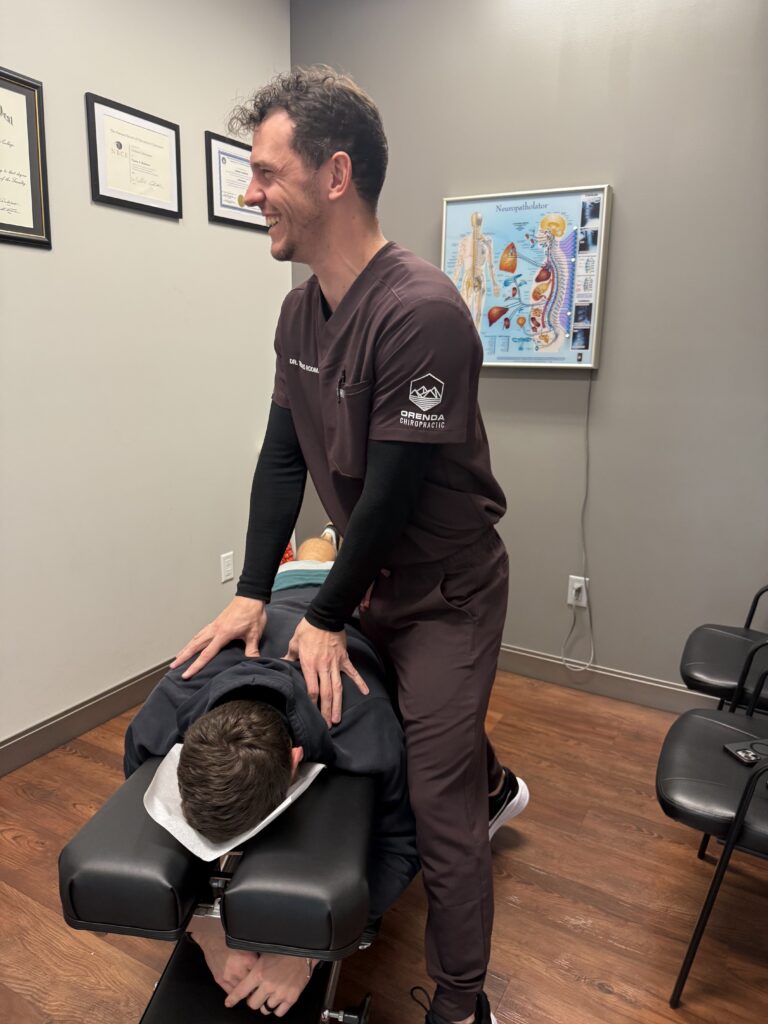
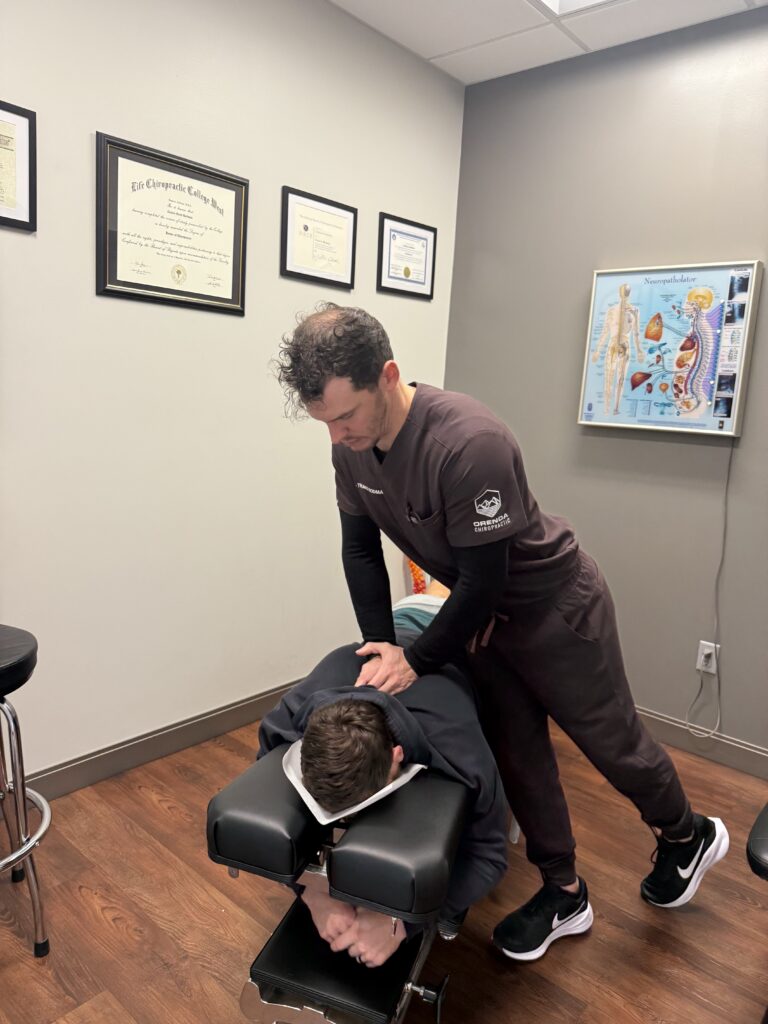
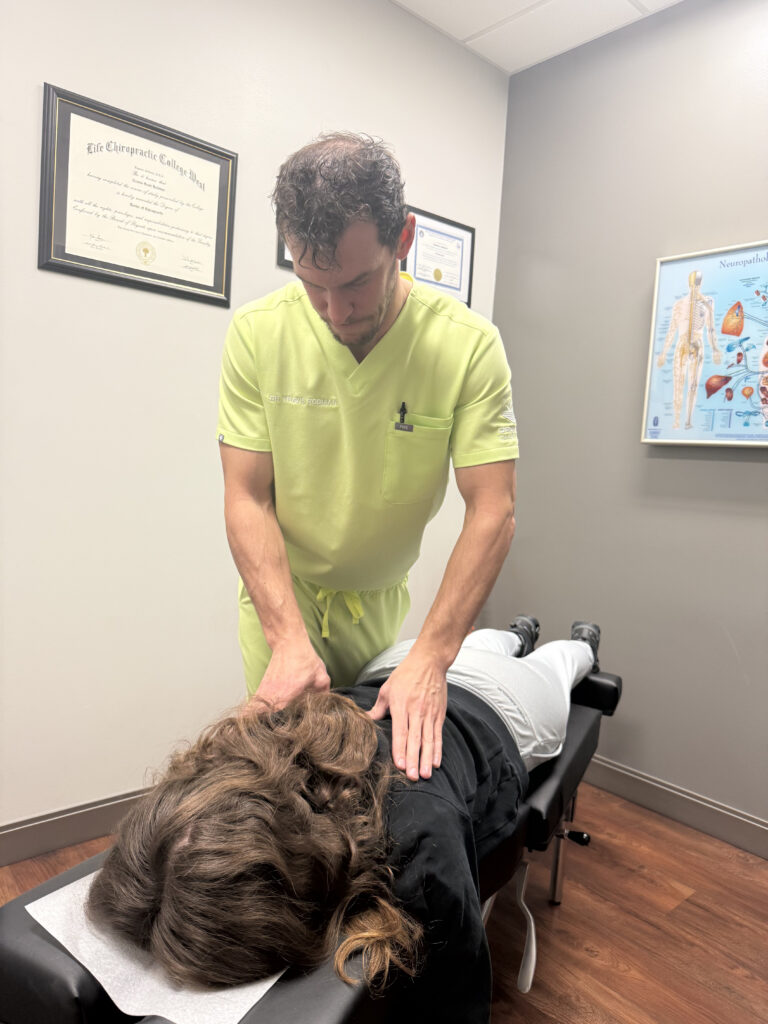
Recommend chiropractic adjustments
-
Prescribe stretching and strengthening exercises
-
Offer lifestyle and ergonomic advice
-
Develop a personalized treatment plan
Modern chiropractic care goes beyond spinal adjustments. It often includes rehabilitation exercises, soft tissue therapy, posture correction, movement education, and preventive care to help reduce the likelihood of future injuries.
How Does Chiropractic Work?
Understanding how does chiropractic work can help you feel more confident before your first appointment.
Your spine protects the spinal cord, which carries messages between your brain and the rest of your body. When joints become restricted due to injury, repetitive movements, poor posture, or normal wear and tear, they can contribute to pain, stiffness, and reduced mobility.
A chiropractic adjustment is a precise manual technique designed to restore normal joint movement.
During an adjustment, your chiropractor applies a controlled force to a specific joint with the goal of improving mobility and reducing mechanical stress. Restoring movement may help decrease muscle tension, improve flexibility, and support normal function.
Many treatment plans also include:
-
Corrective exercises
-
Soft tissue therapy
-
Mobility training
-
Stretching programs
-
Ergonomic recommendations
-
Lifestyle modifications
Rather than simply masking symptoms, chiropractic care aims to address movement dysfunction that may contribute to pain.
Does Chiropractic Actually Work?
Another common question is: Does chiropractic actually work?
The answer depends on the condition being treated.
Clinical research has shown that chiropractic care can be effective for several musculoskeletal conditions, particularly:
-
Acute and chronic low back pain
-
Neck pain
-
Certain types of headaches
-
Joint dysfunction
-
Mechanical spine pain
For these conditions, chiropractic care may reduce pain, improve mobility, and help patients return to daily activities more quickly.
However, chiropractic care is not a cure-all. It should not replace emergency medical care or treatment for serious infections, fractures, cancer, or other conditions requiring medical or surgical management.
Patients often ask does chiropractic really work because they’ve heard different opinions online. The evidence suggests that chiropractic care works best when combined with exercise, healthy lifestyle habits, and a personalized treatment plan based on an accurate diagnosis.
Conditions Chiropractic Care May Help Manage
Many people search does chiropractic help because they want relief from pain without relying solely on medication.
While every patient is unique, chiropractic care may help manage several common musculoskeletal conditions.
Low Back Pain
Low back pain is one of the most common reasons people visit a chiropractor.
Whether pain results from poor posture, prolonged sitting, lifting injuries, or age-related changes, spinal adjustments combined with rehabilitation exercises may improve mobility and reduce discomfort.
Many clinical guidelines recommend spinal manipulation as one treatment option for certain types of acute and chronic low back pain.
Neck Pain
Neck pain often develops because of:
-
Poor posture
-
Long hours at a computer
-
Smartphone use
-
Muscle tension
-
Whiplash injuries
Chiropractic care focuses on restoring movement in the cervical spine while reducing muscle tightness and improving overall function.
Treatment may also include posture correction and home exercises to reduce recurring pain.
Sciatica
Many patients ask, does chiropractic help sciatica?
Sciatica occurs when the sciatic nerve becomes irritated or compressed, often causing pain that travels from the lower back into the hip, buttock, or leg.
Depending on the underlying cause, chiropractic care may help reduce pressure on affected joints, improve spinal mobility, and decrease muscle tension that contributes to sciatic pain.
Treatment may include:
-
Chiropractic adjustments
-
Stretching exercises
-
Core strengthening
-
Movement education
-
Lifestyle recommendations
If sciatica is caused by a serious condition such as significant nerve compression or progressive neurological symptoms, additional medical evaluation may be necessary.
Headaches
Certain headaches originate from tension in the neck and upper spine.
These are often called cervicogenic headaches.
By improving joint mobility and reducing muscle tightness, chiropractic care may help decrease headache frequency and intensity for some patients.
Your chiropractor will first determine whether your headaches are musculoskeletal in origin before recommending treatment.
Joint Pain and Reduced Mobility
Pain isn’t limited to the spine.
Many chiropractors also evaluate joints including the:
-
Shoulders
-
Hips
-
Knees
-
Ankles
-
Wrists
Restricted movement in these joints can interfere with daily activities and exercise.
Improving joint mobility through manual therapy and rehabilitation exercises may help restore comfortable movement and improve overall function.
Sports Injuries
Athletes frequently use chiropractic care to improve recovery and maintain performance.
Whether you’re recovering from:
-
Muscle strains
-
Joint sprains
-
Running injuries
-
Overuse conditions
a chiropractor may incorporate adjustments, mobility work, soft tissue therapy, and corrective exercises into your rehabilitation program.
The goal is not only pain relief but also improving movement quality and reducing the risk of future injury.
Does Chiropractic Help Scoliosis?
Another common question is does chiropractic help scoliosis?
Scoliosis is a condition in which the spine curves sideways. Chiropractic care cannot straighten the spine or cure scoliosis, especially in moderate or severe cases. However, it may help some patients manage symptoms associated with the condition.
Depending on the individual, chiropractic care may help:
-
Improve spinal mobility
-
Reduce muscle tension
-
Ease back or neck discomfort
-
Support better posture
-
Increase flexibility
-
Complement physical therapy and exercise
Treatment plans are personalized based on the severity of the curve, age, symptoms, and overall health. If scoliosis is progressing or causing significant complications, your chiropractor may work alongside your primary care physician or orthopedic specialist.
What Does a Chiropractic Adjustment Treat?
Many patients wonder what does a chiropractic adjustment do and what does a chiropractic adjustment treat/manage?
A chiropractic adjustment is designed to restore normal joint movement when a joint becomes restricted or isn’t moving properly. The goal isn’t simply to relieve pain but to improve how the musculoskeletal system functions.
Depending on your condition, chiropractic adjustments may help manage:
-
Mechanical low back pain
-
Neck pain
-
Joint stiffness
-
Muscle tightness
-
Tension headaches
-
Reduced spinal mobility
-
Certain sports injuries
-
Pregnancy-related back discomfort
Your chiropractor will first determine whether chiropractic care is appropriate before recommending treatment.
At Orenda Chiropractic, every adjustment is based on a comprehensive examination rather than a one-size-fits-all approach.
What to Expect During Your First Chiropractic Visit
If you’ve never visited a chiropractor before, it’s normal to feel uncertain about what will happen.
A typical appointment includes several steps designed to understand your condition and create a personalized treatment plan.
1. Health History
Your chiropractor will ask questions about:
-
Your symptoms
-
Previous injuries
-
Medical history
-
Daily activities
-
Exercise habits
-
Work environment
-
Overall health goals
Understanding the complete picture helps identify possible causes of your pain.
2. Physical Examination
Next comes a detailed examination, which may include:
-
Posture assessment
-
Range of motion testing
-
Muscle strength evaluation
-
Neurological screening
-
Orthopedic tests
-
Joint mobility assessment
If necessary, diagnostic imaging such as X-rays may be recommended before treatment begins.
3. Personalized Treatment Plan
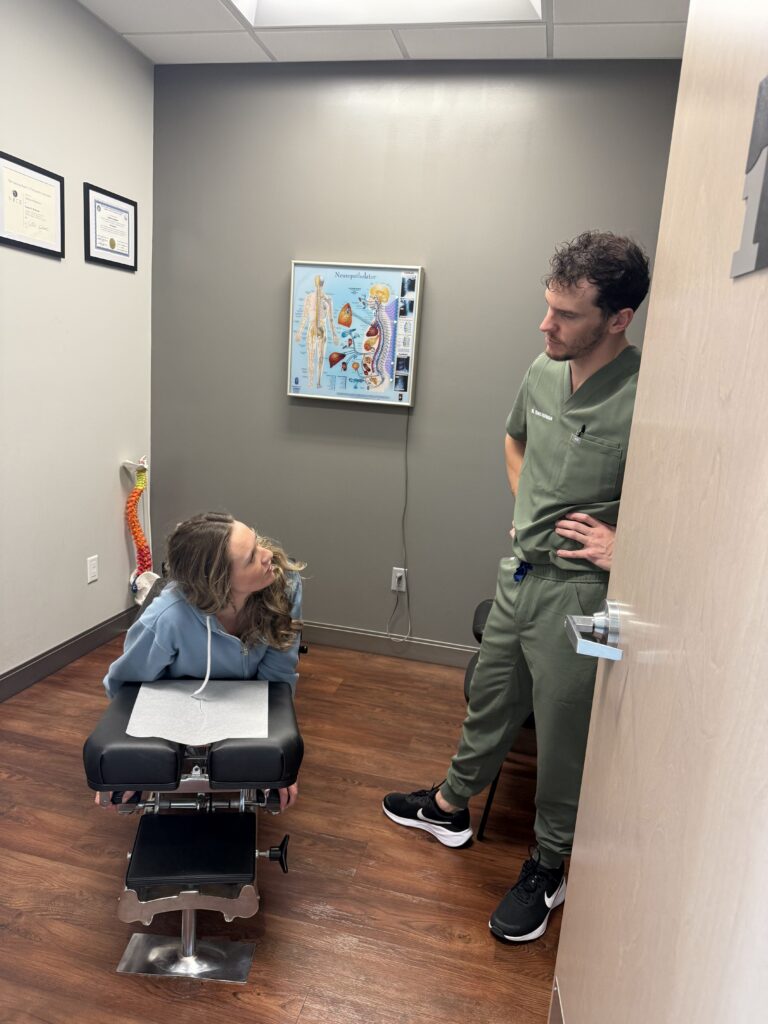
Once the evaluation is complete, your chiropractor will explain:
-
Your diagnosis
-
Possible causes of your symptoms
-
Recommended treatment options
-
Expected recovery timeline
-
Home exercises and self-care recommendations
You’ll have the opportunity to ask questions before any treatment begins.
4. Chiropractic Adjustment
If appropriate, your chiropractor will perform a chiropractic adjustment using controlled, precise movements.
Some patients hear a popping sound during the adjustment. This is simply gas being released from the joint and is generally considered normal.
Not every treatment requires spinal manipulation. Your chiropractor may also recommend:
-
Soft tissue therapy
-
Stretching
-
Corrective exercises
-
Mobility training
-
Lifestyle modifications
Does Chiropractic Hurt?
One of the biggest concerns for first-time patients is does chiropractic hurt?
For most people, chiropractic adjustments are not painful.
During treatment, you may feel:
-
Gentle pressure
-
Mild stretching
-
Temporary joint movement
-
A brief popping sound
After your first visit, it’s common to experience mild soreness similar to what you might feel after starting a new exercise routine. This usually resolves within a day or two.
If you experience severe or worsening pain after treatment, you should contact your chiropractor promptly.
What Should You Not Do After Seeing a Chiropractor?
Patients frequently ask, What should you not do after seeing a chiropractor?
Following a few simple recommendations can help maximize your results.
For the first 24 hours, try to:
-
Avoid heavy lifting
-
Limit intense workouts unless approved
-
Maintain good posture
-
Stay hydrated
-
Continue gentle walking
-
Perform any recommended stretches
-
Get adequate sleep
These habits support your body’s natural recovery process following treatment.
Does Insurance Cover Chiropractic?
Another common question is does insurance cover chiropractic or does health insurance cover chiropractic?
The answer depends on your insurance provider and individual plan.
Many health insurance policies include chiropractic benefits for conditions such as:
-
Back pain
-
Neck pain
-
Sciatica
-
Joint dysfunction
Coverage varies depending on:
-
Your deductible
-
Referral requirements
-
Number of covered visits
-
Medical necessity
-
In-network provider status
Before scheduling an appointment, it’s always a good idea to verify your benefits with your insurance company or ask your chiropractic office to help review your coverage.
At Orenda Chiropractic, our team can help answer questions about insurance, payment options, and available treatment plans.
How Effective Is Chiropractic Treatment?
Many patients ask, How effective is chiropractic treatment?
Research indicates that chiropractic care can be an effective option for managing many musculoskeletal conditions, particularly:
-
Low back pain
-
Neck pain
-
Certain headaches
-
Joint dysfunction
The best results usually occur when chiropractic care is combined with:
-
Exercise
-
Healthy posture
-
Strengthening programs
-
Weight management
-
Good workplace ergonomics
-
Lifestyle improvements
Every patient’s recovery is different. Factors such as the severity of the condition, overall health, activity level, and commitment to home care all influence treatment outcomes.
How Long Should a Chiropractic Session Last?
Appointment length varies depending on your needs.
A typical schedule looks like this:
-
Initial Visit
-
45–60 minutes
-
Comprehensive consultation
-
Examination
-
Treatment planning
-
First treatment if appropriate
Follow-Up Visits
-
Approximately 15–30 minutes
-
Progress assessment
-
Chiropractic adjustment (when needed)
-
Exercise progression
-
Home care recommendations
Your treatment schedule will depend on your condition and goals rather than a fixed number of visits.
How Often Do You Really Need to Go to the Chiropractor?
One of the most common questions patients ask is, “How often do you really need to go to the chiropractor?”
The answer depends on several factors, including your condition, symptoms, lifestyle, and treatment goals. There isn’t a one-size-fits-all schedule.
A personalized care plan may include:
Acute Pain
If you’re experiencing a recent injury or sudden pain, your chiropractor may recommend more frequent visits during the first few weeks to help reduce discomfort and restore movement.
Recovery Phase
As your symptoms improve, appointments are typically spaced farther apart while focusing on strengthening exercises, posture correction, and preventing recurrence.
Wellness & Maintenance Care
Some patients choose periodic chiropractic visits even after their pain has resolved. These visits aim to support mobility, identify movement restrictions early, and help maintain an active lifestyle.
At Orenda Chiropractic, treatment plans are based on your progress—not unnecessary long-term commitments.
What Are the Red Flags of Chiropractors?
Choosing a qualified chiropractor is just as important as choosing any healthcare provider.
Here are a few warning signs to watch for:
-
Promising to cure every disease or medical condition
-
Recommending lengthy treatment plans without reassessment
-
Discouraging patients from seeing medical doctors when necessary
-
Using fear-based sales tactics
-
Refusing to explain your diagnosis or treatment plan
-
Performing adjustments without a proper examination
-
Ignoring imaging or specialist referrals when clinically indicated
A trustworthy chiropractor will:
-
Perform a thorough evaluation
-
Explain your diagnosis clearly
-
Discuss both the benefits and limitations of treatment
-
Encourage collaboration with your primary care physician or specialist when appropriate
-
Base recommendations on your individual needs and current evidence
At Orenda Chiropractic, patient education, informed decision-making, and evidence-informed care are at the center of every treatment plan.
Why Choose Orenda Chiropractic Reno, NV?
At Orenda Chiropractic – Reno, NV, we believe exceptional chiropractic care is about more than just relieving pain; it’s about identifying the root cause of your symptoms and creating a personalized plan for long-term health. Unlike many clinics that rely on the same treatment approach for every patient, Dr. Travis Rodman takes the time to perform a thorough evaluation, understand your lifestyle and goals, and provide evidence-informed care tailored to your needs. By combining precise chiropractic adjustments, rehabilitation exercises, movement education, and patient-focused care, we help you achieve lasting results rather than temporary relief.
Patients choose our practice because we offer:
-
Comprehensive chiropractic evaluations
-
Personalized treatment plans
-
Gentle, evidence-informed chiropractic adjustments
-
Soft tissue therapy and rehabilitation exercises
-
Patient education and injury prevention strategies
-
A welcoming environment focused on long-term wellness
Conclusion
So, does chiropractic help? For many people experiencing musculoskeletal conditions such as back pain, neck pain, headaches, joint stiffness, or sciatica, the answer is yes. Chiropractic care can be an effective, non-invasive treatment option that focuses on improving movement, reducing pain, and supporting overall function.
However, chiropractic care is most effective when it’s part of a comprehensive health plan that may include exercise, healthy lifestyle habits, ergonomic improvements, and collaboration with other healthcare professionals when needed.
If you’ve been wondering whether chiropractic work or chiropractic really works, the best way to find out is through a professional evaluation. Every patient’s condition is unique, and a personalized assessment helps determine whether chiropractic care is appropriate for your specific needs.
At Orenda Chiropractic, we’re dedicated to helping patients in Reno, NV, achieve lasting pain relief and improved mobility through compassionate, evidence-informed care. If you’re ready to take the next step toward better movement and overall wellness, we’d be honored to help.
Frequently Asked Questions
Does chiropractic help?
Yes. Chiropractic care can help manage many musculoskeletal conditions, including low back pain, neck pain, certain headaches, joint dysfunction, and sciatica. Your results will depend on your diagnosis, overall health, and adherence to your treatment plan.
Does chiropractic actually work?
Research supports chiropractic care as an effective treatment option for several spine-related conditions, particularly acute and chronic low back pain, neck pain, and some types of headaches. It works best when combined with exercise and healthy lifestyle habits.
How does chiropractic work?
Chiropractic care focuses on restoring normal joint movement through spinal adjustments, manual therapy, corrective exercises, and movement education. Improving joint mobility can reduce pain, improve flexibility, and support better overall function.
What does a chiropractor do?
A chiropractor evaluates, diagnoses, and treats musculoskeletal conditions. Treatment may include chiropractic adjustments, rehabilitation exercises, posture correction, soft tissue therapy, and personalized lifestyle recommendations.
Does chiropractic hurt?
Most patients experience little to no pain during treatment. Some may notice mild soreness afterward, similar to the feeling after exercise, which usually resolves within 24 to 48 hours.
Does insurance cover chiropractic?
Many insurance plans provide chiropractic benefits for medically necessary treatment, but coverage varies by provider and policy. Contact your insurance company or chiropractic office to verify your specific benefits.
Contact Orenda Chiropractic – Reno, NV Today
If you’re looking for trusted chiropractic care in Reno, NV, the team at Orenda Chiropractic is here to help. Whether you’re dealing with back pain, neck pain, sciatica, headaches, or limited mobility, we’ll create a personalized treatment plan focused on your health goals.