In this Blog, you’ll learn what causes whiplash, the symptoms to watch for, how it’s diagnosed, available treatment options, recovery timelines, and when to seek professional care.
A sudden car accident can leave you feeling fine at first, only for neck pain, stiffness, or headaches to appear hours or even days later. If you’ve recently experienced a collision and are wondering what is whiplash, you’re not alone. Whiplash is one of the most common injuries caused by motor vehicle accidents, sports injuries, and falls. While many people recover within a few weeks, others may experience ongoing pain that affects their work, sleep, and daily activities.
The good news is that early diagnosis and the right treatment can make a significant difference. At Orenda Chiropractic – Reno NV, Dr. Travis Rodman takes a patient-first approach to evaluating and treating whiplash injuries. By identifying the source of your pain and creating a personalized recovery plan, our goal is to help you regain comfort, mobility, and confidence without relying solely on medication.
What Is Whiplash?
If you’re searching for what is whiplash, here’s the simple answer:
Whiplash is a soft tissue injury that occurs when your head is suddenly forced backward and then forward, or vice versa, with significant force. This rapid movement stretches the muscles, ligaments, tendons, and joints in your neck beyond their normal range of motion.
Although rear-end car accidents are the leading cause, whiplash can also happen during contact sports, falls, workplace accidents, or any event that causes a sudden impact to the neck.
One important thing to remember is that symptoms don’t always appear immediately. Many people feel relatively normal after an accident but wake up the next day with severe neck pain or stiffness.
What Happens During a Whiplash Injury?
Your neck, also called the cervical spine, supports the weight of your head while allowing it to move in multiple directions. It contains:
-
Seven cervical vertebrae
-
Intervertebral discs
-
Ligaments
-
Tendons
-
Nerves
During a whiplash injury, these structures are forced to move faster than they were designed to handle.
Imagine cracking a whip. The motion starts slowly but becomes extremely fast at the end. A similar movement happens to your neck during a collision. The head snaps backward and then quickly forward, placing tremendous stress on the soft tissues.
Depending on the force of the impact, the injury may involve:
-
Muscle strains
-
Ligament sprains
-
Joint irritation
-
Inflamed discs
-
Nerve irritation
-
Reduced spinal mobility
This explains why some people experience whiplash nerve damage symptoms, including numbness, tingling, burning sensations, or weakness that travels into the shoulders, arms, or hands. These symptoms should never be ignored and should be evaluated by a healthcare professional as soon as possible.
What Causes Whiplash?
Many people assume whiplash only happens in serious car accidents. In reality, even low-speed collisions can produce enough force to injure the neck.
Some of the most common causes include:
Motor Vehicle Accidents
Rear-end collisions are responsible for most whiplash injuries. Even crashes at speeds as low as 10–15 mph can strain the muscles and ligaments in the neck.
Sports Injuries
Football, hockey, wrestling, gymnastics, and other contact sports may expose athletes to sudden impacts that lead to whiplash.
Falls
Slipping on wet surfaces or falling unexpectedly can create rapid head movement similar to a vehicle collision.
Physical Assault
Being struck or violently shaken may also cause whiplash injuries.
Recreational Activities
Certain amusement park rides or high-impact recreational activities can occasionally produce the same back-and-forth motion that causes whiplash.
Regardless of the cause, early evaluation is essential because symptoms may worsen over the first few days after the injury.
What Are the Symptoms of Whiplash?
One of the biggest misconceptions about whiplash is that symptoms appear immediately. In many cases, they develop gradually over the next 24 to 72 hours.
Common Whiplash Symptoms
-
Reduced range of motion
-
Headaches starting near the base of the skull
-
Upper back pain
-
Muscle tightness
-
Fatigue
Delayed Symptoms That Shouldn’t Be Ignored
Some patients also experience:
-
Tingling or numbness in the arms
-
Pain radiating into the shoulders
-
Blurred vision
-
Ringing in the ears (tinnitus)
-
Difficulty concentrating
-
Brain fog
-
Trouble sleeping
-
Irritability
-
Memory problems
These delayed symptoms often surprise patients because they may leave the accident scene feeling relatively well. As inflammation increases over the next few days, discomfort becomes much more noticeable.
If your symptoms continue to worsen instead of improve, it’s important to seek professional evaluation.
Is Whiplash Always Serious?
Not every whiplash injury is severe, but that doesn’t mean it should be ignored.
Mild cases often improve with conservative care, while moderate to severe injuries may require a longer recovery period. Delaying treatment can sometimes increase the risk of chronic pain, stiffness, or reduced mobility.
You should seek immediate medical attention if you experience:
-
Severe neck pain after an accident
-
Loss of consciousness
-
Difficulty breathing
-
Weakness in your arms or legs
-
Loss of bladder or bowel control
-
Difficulty walking
-
Persistent numbness
-
Severe headaches that continue to worsen
These symptoms could indicate a more serious injury requiring urgent medical care.
How Is Whiplash Diagnosed?
A proper diagnosis is the foundation of an effective recovery plan.
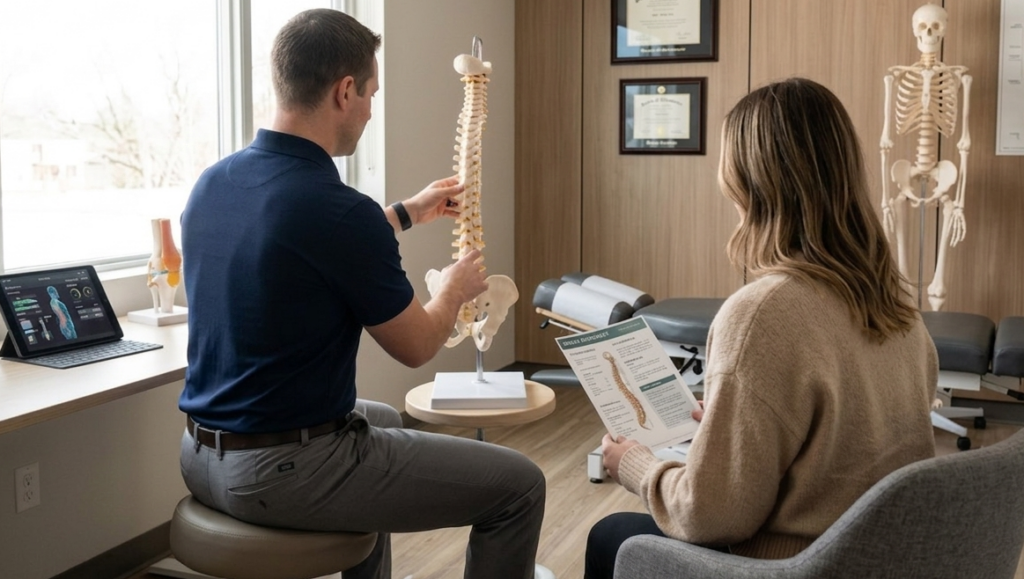
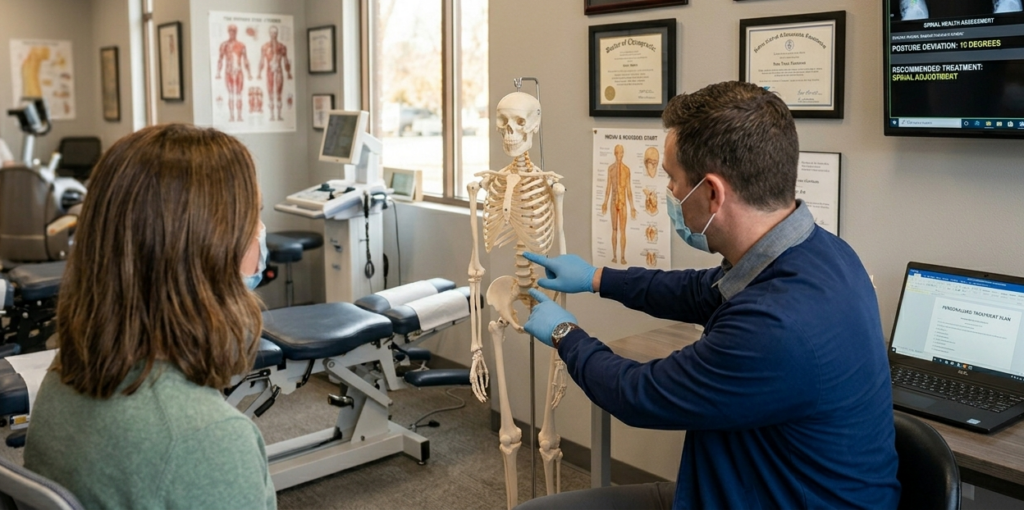
At Orenda Chiropractic, Dr. Travis Rodman begins with a comprehensive evaluation to understand how your injury occurred, your symptoms, and how they affect your daily life. Every whiplash injury is unique, which is why a personalized assessment is so important.
Your evaluation may include:
-
A detailed discussion about the accident
-
Review of your medical history
-
Assessment of neck mobility
-
Muscle strength testing
-
Reflex evaluation
-
Neurological examination
-
Posture assessment
-
Spinal movement analysis
If there is concern about fractures, disc injuries, or more serious spinal damage, imaging studies such as X-rays, CT scans, or MRI scans may be recommended to provide a clearer picture of your condition.
An accurate diagnosis helps determine the severity of the injury and guides the most appropriate treatment plan, allowing you to begin recovery with confidence.
How Is Whiplash Treated?
If you’ve been diagnosed with whiplash, one of the first questions you may have is, how is whiplash treated? The answer depends on the severity of the injury, your symptoms, and your overall health.
Most people recover with conservative, non-surgical care. The primary goals of treatment are to reduce pain, restore normal movement, promote healing, and prevent long-term complications.
A personalized treatment plan may include one or more of the following approaches.
Pain Management
During the first few days after an injury, your healthcare provider may recommend over-the-counter or prescription medications to help manage pain and reduce inflammation. While medication can provide temporary relief, it is often combined with therapies that address the underlying cause of the injury.
Physical Therapy
A physical therapist may guide you through gentle stretches and strengthening exercises designed to improve flexibility, restore neck mobility, and support healthy muscle function. As your recovery progresses, exercises become more advanced to help you safely return to normal activities.
Chiropractic Care
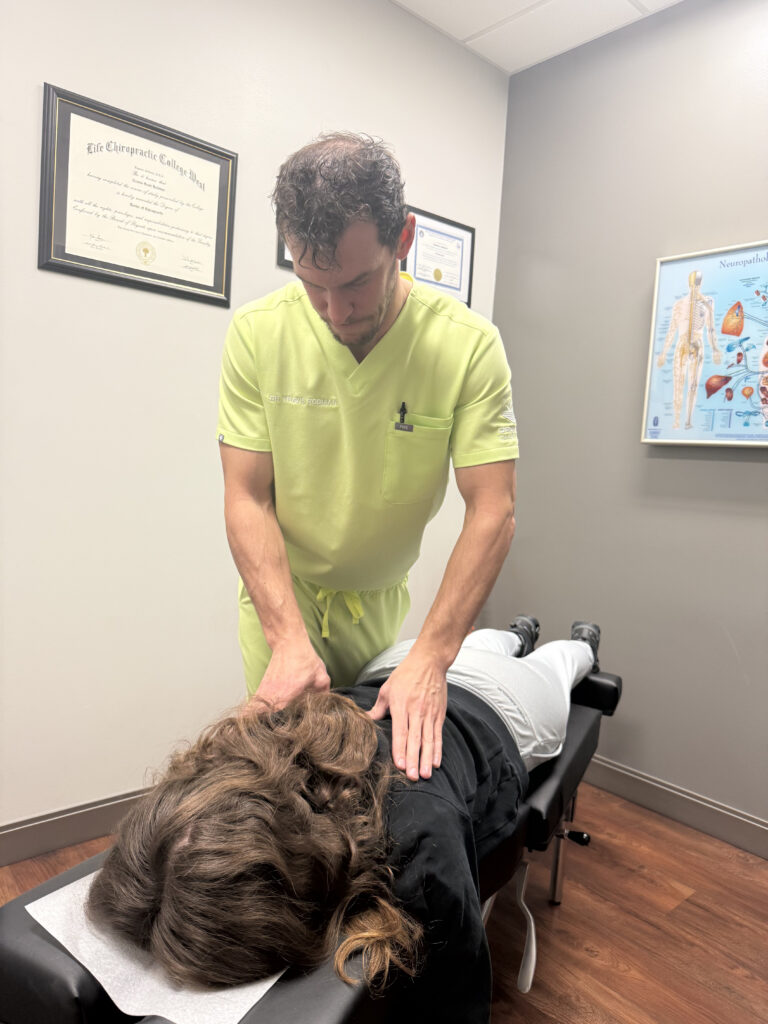
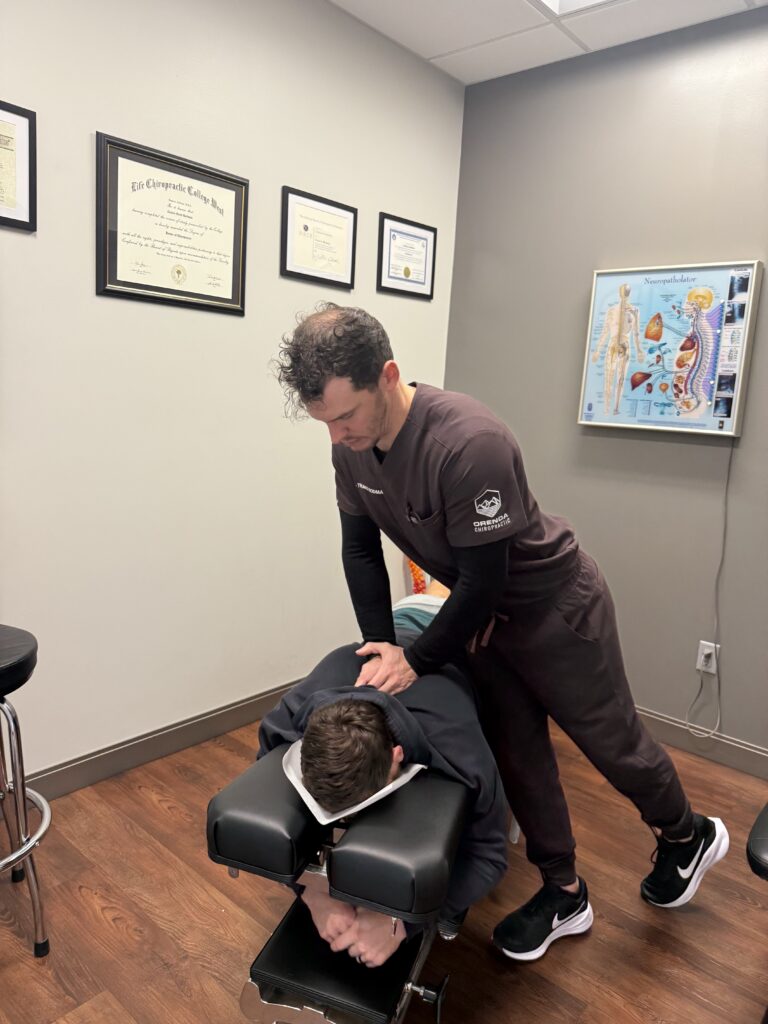
For many patients, whiplash treatment includes chiropractic care after a proper evaluation. Gentle chiropractic adjustments, soft tissue therapy, and rehabilitation exercises can help restore normal joint movement, reduce muscle tension, and improve overall function.
At Orenda Chiropractic, Dr. Travis Rodman creates personalized treatment plans based on your symptoms, medical history, and recovery goals. Rather than simply masking pain, treatment focuses on improving spinal function and supporting your body’s natural healing process.
Home Care
Your provider may also recommend simple self-care techniques, including:
-
Applying ice during the first 24 to 48 hours
-
Using heat therapy later if appropriate
-
Performing prescribed stretching exercises
-
Maintaining good posture while sitting and sleeping
-
Staying active with gentle movement
-
Avoiding activities that increase pain
Treatment Options for Whiplash
There are several treatment options for whiplash, and many patients benefit from combining multiple therapies rather than relying on a single treatment.
Depending on your condition, your care plan may include:
-
Chiropractic adjustments
-
Soft tissue therapy
-
Therapeutic exercises
-
Physical rehabilitation
-
Massage therapy
-
Joint mobilization
-
Posture correction
-
Lifestyle modifications
-
Pain management strategies
No two whiplash injuries are exactly alike. A customized treatment plan is often the most effective way to support recovery and reduce the risk of long-term discomfort.
Can Chiropractic Care Help After Whiplash?
Many people wonder whether chiropractic care is appropriate after a car accident.
In many cases, chiropractic care can help improve spinal mobility, reduce muscle tension, and support healing after a whiplash injury. However, every patient should first receive a thorough evaluation to rule out fractures or other serious injuries.
At Orenda Chiropractic, Dr. Travis Rodman carefully evaluates each patient’s condition before beginning treatment. If chiropractic care is appropriate, your treatment plan may include:
-
Gentle spinal adjustments
-
Soft tissue therapy
-
Stretching exercises
-
Mobility training
-
Postural education
-
Home rehabilitation exercises
The goal isn’t simply to reduce pain it’s to restore healthy movement and help you return to your normal lifestyle as safely as possible.
What Happens During Your First Visit?
If you’re visiting Orenda Chiropractic after an auto accident, knowing what to expect can help ease any concerns.
Your first appointment typically includes:
A Detailed Consultation
You’ll discuss how the accident happened, when your symptoms began, and how they’re affecting your daily activities.
Physical Examination
Your provider will evaluate:
-
Neck movement
-
Muscle tightness
-
Joint mobility
-
Reflexes
-
Strength
-
Sensation
-
Posture
Personalized Care Plan
After reviewing your condition, Dr. Travis Rodman will explain your findings and recommend a treatment plan tailored to your recovery goals.
How Long Does Whiplash Last?
One of the most common questions patients ask is, how long does whiplash last?
Recovery varies from person to person and depends on several factors, including:
-
Severity of the injury
-
Age
-
Overall health
-
Previous neck injuries
-
How quickly treatment begins
-
Following the recommended care plan
How to Recover From Whiplash
If you’re wondering how to recover from whiplash, consistency is one of the most important factors.
These practical steps can support your recovery:
-
Follow your treatment plan
-
Stay active with gentle movement
-
Complete home exercises as instructed
-
Maintain good posture throughout the day
-
Get enough sleep to support healing
-
Avoid sudden neck movements
-
Attend all follow-up appointments
-
Gradually return to work and recreational activities
Remember that healing is different for everyone. Comparing your recovery to someone else’s can be discouraging, so focus on your own progress.
Do’s and Don’ts After Whiplash
Do
-
Seek evaluation after an accident, even if symptoms seem mild.
-
Apply ice during the first two days if recommended.
-
Stay gently active instead of remaining in bed.
-
Perform exercises recommended by your healthcare provider.
-
Maintain good posture while sitting and driving.
-
Keep follow-up appointments to monitor your progress.
Don’t
-
Ignore neck pain after a collision.
-
Spend days resting in bed unless instructed otherwise.
-
Return to strenuous activities too quickly.
-
Attempt to “push through” severe pain.
-
Self-diagnose without a professional evaluation.
Common Myths About Whiplash
Many misconceptions about whiplash can delay recovery. Let’s separate fact from fiction.
Myth: If my neck doesn’t hurt immediately, I’m fine.
Fact: Symptoms often appear 24 to 72 hours after an accident as inflammation develops.
Myth: Wearing a neck collar all day speeds up healing.
Fact: While short-term support may occasionally be recommended, prolonged immobilization can slow recovery for many patients. Controlled movement is often encouraged once serious injuries have been ruled out.
Myth: Whiplash only happens in high-speed crashes.
Fact: Even low-speed rear-end collisions can generate enough force to injure the soft tissues of the neck.
Myth: Pain medication alone fixes whiplash.
Fact: Medication may help manage symptoms, but rehabilitation, movement, and appropriate conservative care are often important parts of long-term recovery.
Why Choose Orenda Chiropractic for Whiplash Care?
Recovering from whiplash isn’t just about relieving pain—it’s about restoring your quality of life.
At Orenda Chiropractic, Dr. Travis Rodman understands that every injury is different. Instead of using a one-size-fits-all approach, each treatment plan is designed around your symptoms, lifestyle, and recovery goals.
Patients choose Orenda Chiropractic because we provide:
-
Comprehensive accident evaluations
-
Personalized treatment plans
-
Gentle, evidence-informed chiropractic care
-
Rehabilitation exercises to improve mobility
-
Education to help prevent future injuries
-
A compassionate, patient-centered approach
Whether your symptoms began immediately after an accident or appeared days later, seeking care early may help reduce discomfort and support a smoother recovery.
Is Whiplash Dangerous?
A common question after an accident is, is whiplash dangerous? In most cases, whiplash is not life-threatening and improves with conservative treatment. However, that doesn’t mean it should be ignored.
If left untreated, a whiplash injury can lead to ongoing neck pain, reduced mobility, headaches, and chronic discomfort that affects your quality of life. The sooner you receive a proper evaluation, the better your chances of a smooth recovery.
Seek Immediate Medical Care If You Experience:
-
Severe neck pain after an accident
-
Loss of consciousness
-
Weakness in your arms or legs
-
Difficulty walking
-
Loss of bladder or bowel control
-
Difficulty breathing or swallowing
-
Persistent numbness or tingling
-
Severe headaches that continue to worsen
These symptoms may indicate a more serious injury that requires urgent medical attention.
What Are Possible Complications of Whiplash?
Most people recover fully, especially when treatment begins early. However, in some cases, what are possible complications of whiplash becomes an important question.
Potential complications include:
-
Chronic neck pain
-
Persistent headaches
-
Reduced neck mobility
-
Ongoing muscle stiffness
-
Nerve irritation
-
Difficulty sleeping
-
Balance problems
-
Fatigue
-
Difficulty concentrating
Although these complications are not experienced by everyone, delaying treatment may increase the risk of long-term symptoms. Following your provider’s recommendations and staying consistent with your recovery plan can help improve outcomes.
Ready to Start Your Whiplash Recovery?
When Should I See My Doctor?
Many people hope their symptoms will disappear on their own, but it’s important to know when should I see my doctor after a neck injury.
You should schedule an evaluation if you have:
-
Neck pain after a car accident or fall
-
Stiffness that limits your movement
-
Headaches that begin after the injury
-
Pain spreading into your shoulders or arms
-
Tingling or numbness
-
Weakness in your hands or arms
-
Symptoms that continue for more than a few days
-
Pain that gets worse instead of better
Even if your symptoms seem mild, a professional evaluation can help identify hidden injuries and prevent them from becoming chronic problems.
Prevention & Recovery Tips
While not every accident can be prevented, several prevention & recovery tips may reduce your risk of injury or support a faster recovery.
Preventing Whiplash
-
Always wear your seat belt correctly.
-
Adjust your vehicle’s headrest so it supports the middle of your head.
-
Maintain good posture while driving.
-
Strengthen your neck and upper back muscles through regular exercise.
-
Warm up before participating in sports or physical activities.
-
Follow safe driving practices and maintain a safe following distance.
Supporting Recovery
-
Stay gently active as recommended by your healthcare provider.
-
Complete your home exercise program.
-
Practice good posture throughout the day.
-
Stay hydrated and get adequate sleep.
-
Avoid sudden or repetitive neck movements during the healing process.
-
Attend all scheduled follow-up appointments.
Small, consistent habits often have the greatest impact on long-term recovery.
Key Points About Whiplash
Here are the most important things to remember:
-
Whiplash is a soft tissue injury caused by a sudden back-and-forth movement of the neck.
-
Symptoms may not appear immediately and often develop within 24 to 72 hours after an accident.
-
Early diagnosis can help identify more serious injuries and guide appropriate treatment.
-
Most people recover successfully with conservative care and a personalized rehabilitation plan.
-
Staying active, following your treatment plan, and seeking timely care can improve recovery.
-
Every whiplash injury is different, so treatment should be tailored to the individual.
Recover From Whiplash with Orenda Chiropractic
If you’ve recently been in a car accident or are experiencing neck pain, stiffness, or headaches, you don’t have to manage your recovery alone.
At Orenda Chiropractic – Reno NV, Dr. Travis Rodman provides personalized care for patients recovering from whiplash and other auto accident injuries. Every treatment plan begins with a comprehensive evaluation to understand your condition, identify the source of your symptoms, and develop a recovery strategy that fits your individual needs.
Whether your symptoms started immediately after the accident or appeared several days later, seeking care early may help reduce pain, restore mobility, and lower the risk of long-term complications.
If you’re looking for compassionate, patient-centered chiropractic care in Reno, NV, our team is here to help you take the next step toward recovery.
Frequently Asked Questions
What does it mean if you get whiplash?
Whiplash means the muscles, ligaments, tendons, and other soft tissues in your neck have been stretched or injured because of a sudden back-and-forth movement of the head. It commonly occurs after rear-end car accidents but can also result from sports injuries or falls.
What does whiplash actually do?
Whiplash can strain the soft tissues that support your cervical spine, leading to inflammation, muscle tightness, reduced mobility, headaches, and neck pain. Some people may also experience nerve-related symptoms such as tingling or numbness in the arms.
How long will whiplash last?
Recovery depends on the severity of the injury. Mild cases often improve within a few weeks, while more significant injuries may take several months. Following your treatment plan and beginning care early can help support recovery.
How do you fix whiplash?
Treatment typically includes a combination of pain management, gentle movement, physical therapy, rehabilitation exercises, posture correction, and conservative therapies such as chiropractic care when appropriate. A personalized approach often produces the best results.
Does whiplash do permanent damage?
Most people recover completely without permanent damage. However, some individuals may develop chronic pain or stiffness if the injury is severe or treatment is delayed. Early evaluation and appropriate care can help reduce the risk of long-term complications.
Can a chiropractor help with whiplash after a car accident?
Yes. After a proper evaluation, chiropractic care may help improve spinal mobility, reduce muscle tension, and support the body’s natural healing process. At Orenda Chiropractic, Dr. Travis Rodman develops individualized treatment plans based on each patient’s condition and recovery goals.
Why did my neck start hurting two days after the accident?
This is very common. Inflammation and muscle tightness often develop gradually after an accident, which means pain, stiffness, and headaches may not appear until 24 to 72 hours later. That’s why it’s important to seek an evaluation even if you initially feel fine.
Final Thoughts
Understanding what is whiplash can help you recognize the signs of injury and make informed decisions about your care. While many people recover with conservative treatment, delaying an evaluation may increase the risk of persistent pain and reduced mobility.
If you’re experiencing neck pain, headaches, stiffness, or other symptoms after an accident, professional care can make a meaningful difference in your recovery. At Orenda Chiropractic, Dr. Travis Rodman is committed to helping patients in Reno, NV, recover through personalized, evidence-informed chiropractic care focused on restoring movement, relieving discomfort, and supporting long-term spinal health.