When pain, stiffness, or an injury starts getting in the way of your daily life, it can be hard to know where to turn. Should you see a chiropractor? Would physical therapy be a better choice? Or could you benefit from both?
Chiropractic vs Physical Therapy is not about deciding which one is better for everyone. Both can help with certain musculoskeletal problems, but they approach care in different ways.
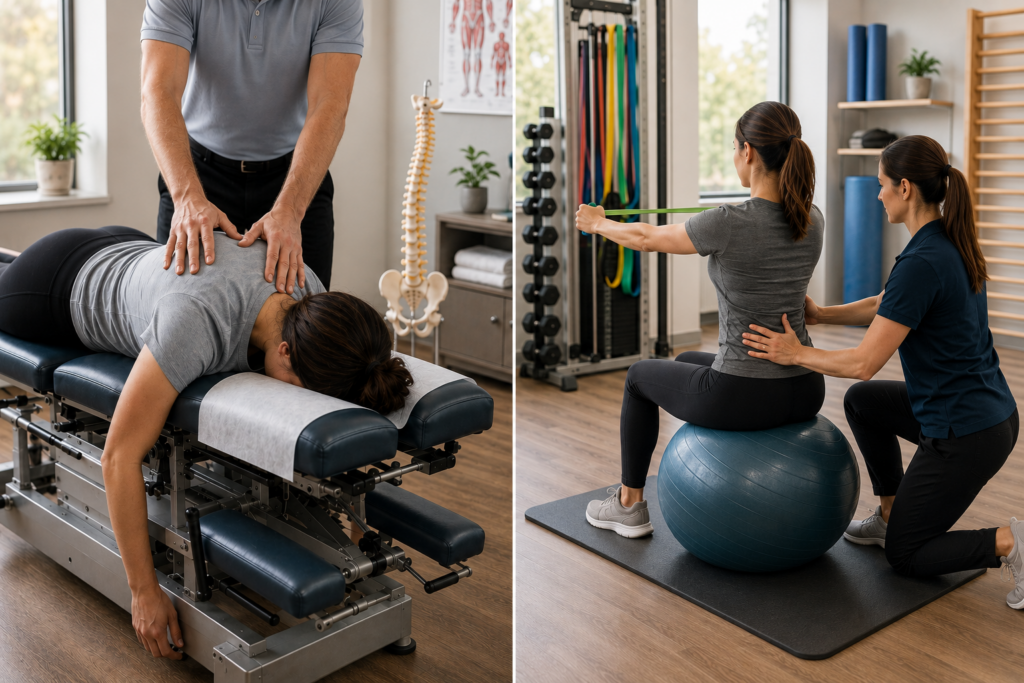
Chiropractic care often focuses on the spine, joints, and hands-on treatment. Physical therapy generally focuses more on strengthening the body, improving movement, and rebuilding physical function.
The right choice depends on what is causing your symptoms, what you want to accomplish, and what a qualified healthcare professional finds during your evaluation.
Let’s look at the differences so you can make a more informed decision.
Chiropractic vs Physical Therapy: What’s the Difference?
The biggest difference is the main focus of treatment.
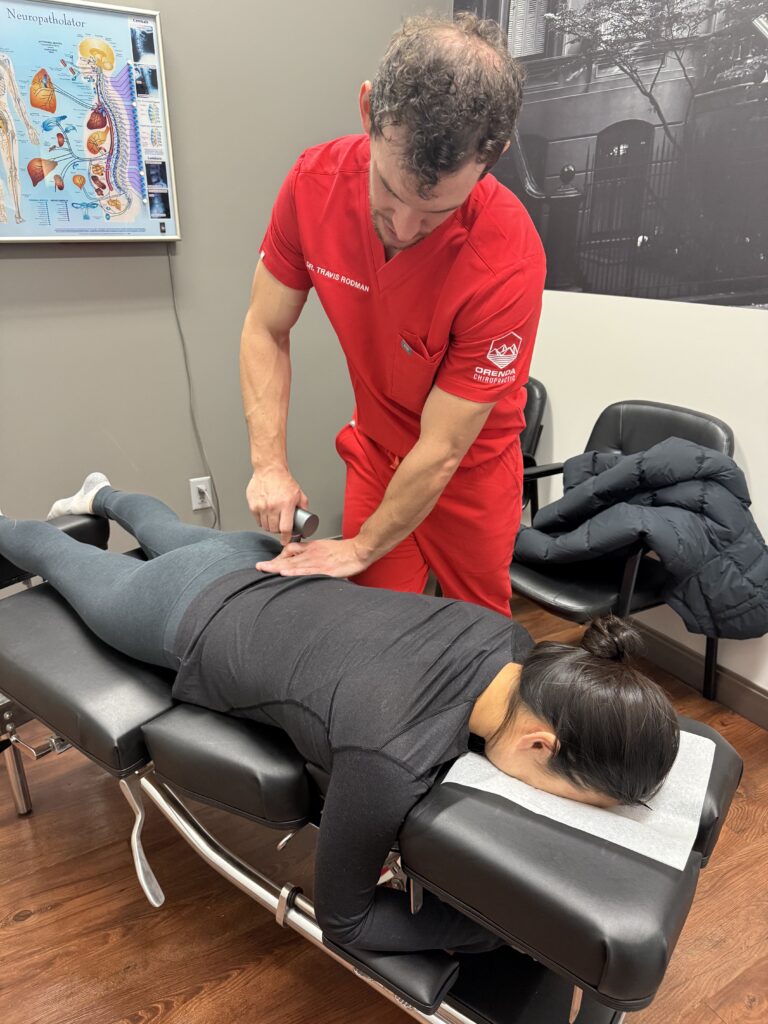
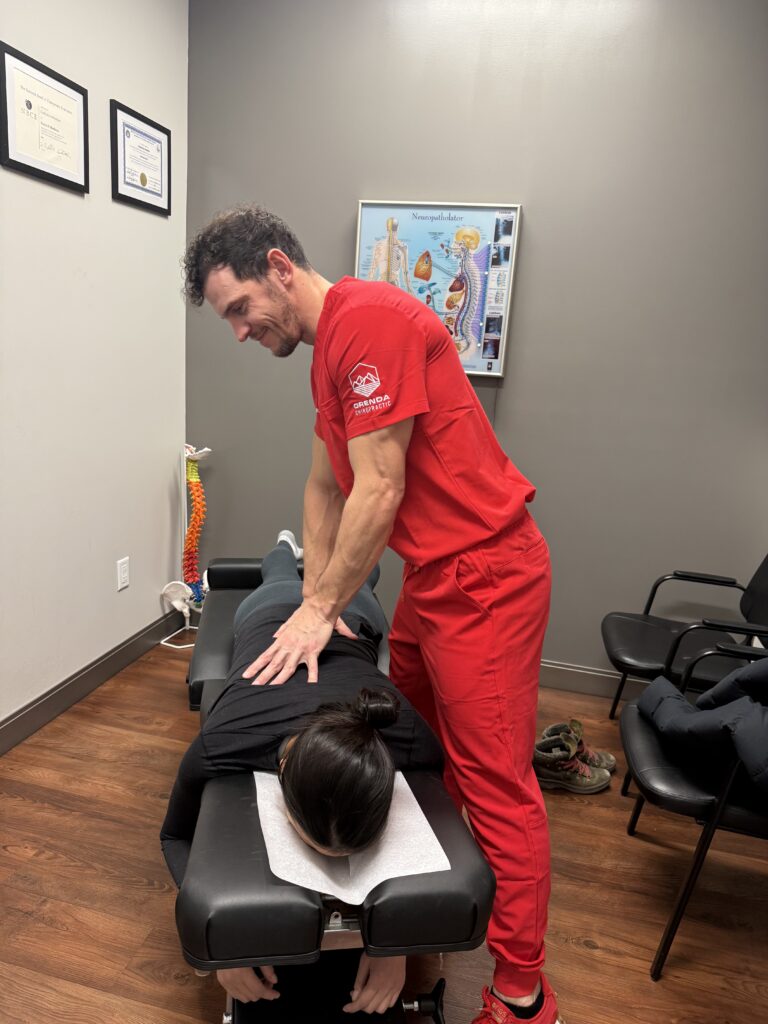
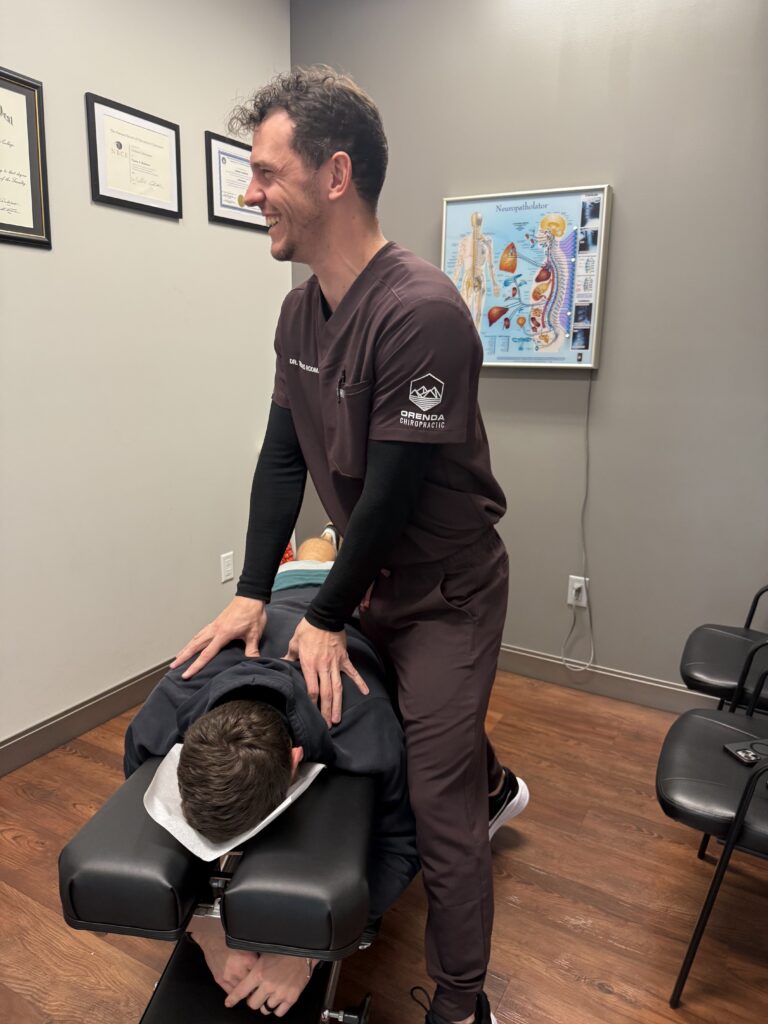
A chiropractor typically works with the spine, joints, and musculoskeletal system. Treatment may include spinal adjustments, joint mobilization, soft-tissue work, and exercises or movement recommendations.
A physical therapist focuses heavily on movement and function. Treatment often includes exercises designed to improve strength, flexibility, balance, coordination, and mobility.
There is some overlap between the two. Chiropractors may recommend exercises, and physical therapists may use hands-on techniques.
Chiropractic Care
-
Focuses on the spine, joints, and musculoskeletal function
-
Often includes spinal adjustments or mobilization
-
Hands-on care is commonly used
-
May include exercise and movement advice
-
Often addresses joint movement and musculoskeletal symptoms
Physical Therapy
-
Focuses on movement, strength, and physical function
-
Often includes therapeutic exercise
-
Active rehabilitation is usually a major part of care
-
May include manual therapy when appropriate
-
Often addresses weakness, mobility, and functional limitations
Neither approach is automatically right for every person. Your symptoms and goals should guide the decision.
What Is Chiropractic Care?
Chiropractic care is a healthcare approach that focuses on the musculoskeletal system, particularly the spine and joints.
A chiropractor may evaluate your health history, symptoms, movement, and physical condition before recommending a treatment plan.
Depending on your needs, care may include:
-
Spinal adjustments
-
Joint mobilization
-
Soft-tissue techniques
-
Stretching
-
Movement recommendations
-
Corrective exercises
-
Home-care guidance
At Orenda Chiropractic in Reno, Dr. Travis Rodman provides personalized chiropractic care based on each patient’s needs. The practice offers care for concerns such as back pain, neck pain, hip pain, headaches, and sciatica.
The important thing is that chiropractic care should not be a one-size-fits-all process. Your treatment should be based on your symptoms, health history, and goals.
What Is Physical Rehabilitation?
Physical rehabilitation helps people improve their strength, mobility, balance, and ability to perform everyday activities.
A physical therapist usually creates an exercise-based plan based on the patient’s condition and goals.
Treatment may include:
-
Strength training
-
Stretching
-
Balance exercises
-
Core exercises
-
Mobility training
-
Functional movement exercises
-
Gait training
-
Injury-prevention education
Physical therapy often requires active participation. You may perform exercises during appointments and continue them at home.
This can be especially helpful when weakness, poor balance, limited mobility, or reduced physical function is a major part of the problem.
Chiropractic Treatment vs Physical Therapy
So, how do the two approaches compare?
Chiropractic treatment commonly uses hands-on techniques to address spinal and joint movement. Exercises and lifestyle recommendations may also be included.
Physical therapy generally places greater emphasis on active rehabilitation. The goal may be to rebuild strength, improve flexibility, restore movement, and help you return to normal activities.
For example, someone with joint stiffness may have different needs from someone recovering from surgery and trying to rebuild muscle strength.
That is why choosing care based only on the name of a condition is not always helpful. An evaluation can provide a better picture of what you need.
Chiropractic vs Physical Therapy for Back Pain
Back pain is one of the most common reasons people look for conservative care.
When considering chiropractic vs physical therapy for back pain, the right choice depends on the cause of your pain and how it affects your movement.
Chiropractic care may be worth considering for:
-
Joint stiffness
-
Restricted spinal movement
-
Certain mechanical musculoskeletal problems
A chiropractor may use hands-on care along with exercises or movement recommendations.
Physical therapy may be helpful when you need to:
-
Build strength
-
Improve flexibility
-
Improve core stability
-
Restore movement after an injury
-
Return to exercise or sports
-
Improve physical function
Some people may benefit from different types of care during recovery. The goal is to find an approach that matches your specific needs.
If back pain is severe, follows a major injury, or is accompanied by concerning symptoms such as significant weakness or loss of bladder or bowel control, seek medical attention promptly.
Chiropractic vs Physical Therapy for Sciatica
Sciatica describes symptoms that can occur when the sciatic nerve is irritated or compressed. Pain may travel from the lower back or buttock into the leg. Some people also experience tingling, numbness, or weakness.
When comparing chiropractic vs physical therapy for sciatica, the underlying cause matters.
A chiropractor may focus on spinal and joint movement as part of a treatment plan.
A physical therapist may use:
-
Core exercises
-
Hip strengthening
-
Flexibility exercises
-
Mobility work
-
Nerve-mobility exercises
-
Functional movement training
Neither approach is automatically right for every person with sciatica.
If you have severe or worsening weakness, significant numbness, or new problems controlling your bladder or bowel, seek prompt medical evaluation.
Chiropractic vs Physical Therapy Evidence
It is reasonable to ask what research says before choosing a treatment.
The available chiropractic vs physical therapy evidence does not show that one profession is universally better for every musculoskeletal condition.
Research supports several conservative approaches for different types of musculoskeletal problems. Exercise can play an important role in improving strength and physical function, while certain forms of manual therapy or spinal manipulation may help some people with specific conditions.
The key is matching treatment to the individual.
Instead of asking only, “Which one works better?” consider:
-
What is causing my symptoms?
-
How severe are my symptoms?
-
How long have I had the problem?
-
Do I have weakness or limited movement?
-
What are my recovery goals?
-
What treatment options are appropriate for my condition?
A qualified healthcare professional can help you understand your options.
What Is Manual Therapy?
Manual therapy refers to hands-on techniques used to address certain pain, stiffness, and movement problems.
Depending on the provider and treatment plan, it may include:
-
Joint mobilization
-
Spinal manipulation
-
Soft-tissue techniques
-
Assisted stretching
-
Myofascial techniques
-
Muscle-release techniques
Manual therapy is often used alongside active movement or exercise.
It should be viewed as one part of a broader treatment plan when appropriate, rather than the only tool used during recovery.
How Mobility Improvement Supports Recovery
Being able to move comfortably is an important part of recovery.
Mobility improvement may involve working on flexibility, joint movement, strength, balance, and movement patterns.
Depending on your needs, your plan may include:
-
Stretching
-
Strength exercises
-
Mobility exercises
-
Balance training
-
Movement education
-
Posture and activity advice
-
A gradual return to normal activities
Improving movement can make everyday activities easier and help you feel more confident in your body.
Chiropractor vs Physical Therapist: Who Should You See?
Choosing a chiropractor vs physical therapist depends on what you need help with.
A chiropractor may be a good option if you are dealing with:
-
Back pain
-
Joint stiffness
-
Restricted spinal movement
-
Certain headaches related to musculoskeletal problems
-
Some sports-related musculoskeletal concerns
A physical therapist may be a good option if you need help with:
-
Rebuilding strength
-
Improving balance
-
Restoring movement
-
Recovering after surgery
-
Returning to sports
-
Improving physical function after an injury
These are general guidelines, not strict rules. Your symptoms may require a different approach.
Can You See a Chiropractor and Physical Therapist?
Yes. In some situations, chiropractic care and physical therapy may be used as part of a broader recovery plan.
For example, chiropractic care may provide hands-on treatment while physical therapy focuses on strength and movement. Whether this combination makes sense depends on your condition and should be discussed with your healthcare providers.
The goal is not to receive more treatment simply for the sake of treatment. The goal is to use the care that is appropriate for your needs.
What Is Chiropractic Therapy?
Chiropractic therapy refers to care provided by a chiropractor to evaluate and manage certain musculoskeletal concerns.
Depending on the patient, treatment may include:
-
Spinal adjustments
-
Joint mobilization
-
Soft-tissue techniques
-
Exercise recommendations
-
Movement education
At Orenda Chiropractic, the approach starts with understanding the patient’s condition and creating a care plan based on their needs. The practice also provides chiropractic care for athletes and people recovering from auto accidents.
Is Chiropractic Physical Therapy?
No. Chiropractic care and physical therapy are different healthcare professions.
They can overlap in some areas, but their typical approaches are different.
Chiropractic care commonly emphasizes the spine, joints, and hands-on treatment. Physical therapy generally places greater emphasis on exercise, rehabilitation, strength, and physical function.
Both can have a role in musculoskeletal care depending on the patient’s condition.
Is Chiropractic Considered Physical Therapy?
No. Chiropractic care is not the same as physical therapy.
A chiropractor and physical therapist have different professional training and may use different treatment methods.
However, both may work with people experiencing pain, stiffness, movement limitations, and injuries.
If you are unsure which provider to see, an evaluation can help you understand your options.
Which Is Better: Chiropractic or Physical Therapy?
Neither is universally better.
Chiropractic care may be appropriate for someone whose primary concerns involve spinal or joint function and musculoskeletal pain. Physical therapy may be especially useful when improving strength, mobility, balance, or physical function is the main goal.
Your decision should consider:
-
Your symptoms
-
The likely cause of the problem
-
Your physical limitations
-
Your treatment goals
-
Your healthcare provider’s recommendations
The best treatment is the one that makes sense for your individual situation.
Have questions about your symptoms? Contact Orenda Chiropractic today to discuss your care options.
Frequently Asked Questions
What is manual therapy in physical therapy?
Manual therapy in physical therapy involves hands-on techniques used by a physical therapist to address certain pain, stiffness, and movement limitations. It may be combined with therapeutic exercises and other rehabilitation methods.
What is manual physical therapy?
Manual physical therapy is physical therapy that includes hands-on treatment as part of a broader rehabilitation program. A therapist may combine manual techniques with stretching, strengthening, mobility exercises, and functional training.
What is chiropractic therapy?
Chiropractic therapy is care provided by a chiropractor to evaluate and manage certain musculoskeletal problems. Treatment may include spinal adjustments, joint mobilization, soft-tissue techniques, exercises, and movement education.
Does chiropractic care work?
Chiropractic care can help some people with certain musculoskeletal conditions, but results vary from person to person. A proper evaluation can help determine whether chiropractic care is appropriate for your symptoms and goals.
Can chiropractic care and physical therapy be used together?
Yes, they can be used together in some situations. Whether combined care is appropriate depends on the individual’s condition and treatment goals.
Is chiropractic covered by insurance?
Coverage varies by insurance plan and provider. Before beginning care, check your benefits and ask the clinic about your specific coverage.
What should I expect at my first chiropractic visit?
Your first visit may include a discussion of your health history, symptoms, and goals, followed by a physical examination. Depending on your situation, additional testing or imaging may be recommended. At Orenda Chiropractic, new patient care can include a chiropractic consultation, exam, X-rays when needed, an adjustment, findings, and care recommendations.
Final Thoughts
Choosing between chiropractic care and physical therapy does not have to be complicated.
Chiropractic vs Physical Therapy comes down to your symptoms, your goals, and the type of care that fits your situation.
Chiropractic care often focuses on the spine, joints, and hands-on treatment, while physical therapy puts a strong emphasis on strength, movement, and rehabilitation. In some cases, different types of care may be used together.
If you’re dealing with back pain, neck pain, sciatica, stiffness, or another musculoskeletal concern, start with an appropriate evaluation so you can understand your options.
If you’re in Reno and want to learn whether chiropractic care may be appropriate for you, Orenda Chiropractic provides personalized care with Dr. Travis Rodman and focuses on helping patients understand their condition and treatment options.